
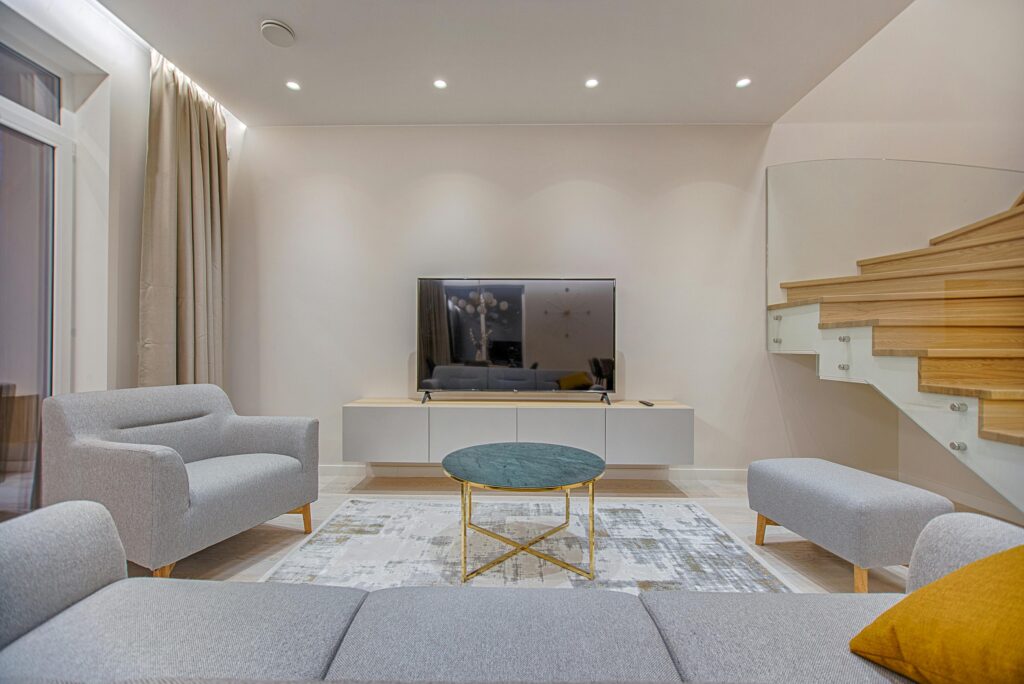
Modern Interior Design
Interior design is not just about decorating a space—it’s about shaping the way we live, work, and feel. Among the many styles that have emerged, modern interior design remains one of the most popular and timeless. Known for its clean lines, functional spaces, and minimal clutter, this design style has transformed homes and offices into sophisticated, calming environments that balance beauty with practicality.
In this guide, we’ll explore everything you need to know about modern interior design, including its history, characteristics, key elements, benefits, and practical tips for creating your own modern space.
What Is Modern Interior Design?
Modern interior design is a style that originated in the early to mid-20th century, heavily influenced by the modernist movement in art and architecture. Unlike traditional design, which focused on ornate detailing, modern interiors emphasize simplicity, functionality, and open spaces.
This style values form following function, meaning every element in the room—from furniture to lighting—serves a purpose beyond aesthetics. It removes unnecessary clutter and focuses on essentials while keeping the space visually appealing.
History and Origins of Modern Interior Design
The roots of modern interior design go back to the early 1900s, influenced by:
- The Bauhaus Movement (Germany): Advocated simplicity, functional design, and industrial materials.
- Mid-Century Modern Influence (1940s–1960s): Introduced sleek furniture, open layouts, and bold yet minimal décor.
- Scandinavian Design: Contributed clean aesthetics, natural light, and a sense of coziness.
The style has since evolved into a timeless design approach that continues to inspire contemporary interiors worldwide.
Key Characteristics of Modern Interior Design
1. Clean Lines and Minimal Clutter
Modern interiors avoid ornate designs. Instead, they focus on straight, smooth lines in furniture, walls, and décor.
2. Neutral Color Palettes
Colors like white, beige, grey, and black dominate, often paired with natural tones of wood or stone.
3. Open Floor Plans
Walls are minimized to create open, flowing spaces—connecting living, dining, and kitchen areas seamlessly.
4. Natural Light
Large windows and glass panels allow natural sunlight to flood interiors, reducing the need for artificial lighting.
5. Functional Furniture
Furniture is sleek, simple, and practical—designed to serve both comfort and functionality.
6. Use of Natural Materials
Wood, glass, metal, and stone are common. These add texture and warmth without overwhelming the space.
Benefits of Modern Interior Design
- Timeless Appeal: The clean and simple look never goes out of style.
- Easy Maintenance: Fewer decorative elements mean less cleaning and organizing.
- Maximizes Space: Open layouts and minimal furniture make rooms look bigger.
- Promotes Calmness: Neutral colors and clutter-free areas create a peaceful environment.
- Flexibility: Works well in homes, offices, studios, and even commercial spaces.
Key Elements to Include in Modern Interior Design
1. Color Scheme
- Stick to neutral shades (white, beige, grey, black).
- Use bold accents sparingly (deep blue, mustard, or green) for contrast.
2. Furniture
- Low, sleek sofas and chairs with straight edges.
- Multipurpose furniture for small spaces.
- Minimal detailing—focus on functionality.
3. Flooring
- Hardwood, polished concrete, or tiles in neutral colors.
- Rugs can add warmth and texture.
4. Lighting
- Recessed lighting, floor lamps, and pendant lights.
- Maximize natural sunlight with big windows.
5. Décor
- Minimal artwork, geometric shapes, or abstract pieces.
- Indoor plants for freshness and color.
- Simple curtains or blinds instead of heavy drapes.
Modern Interior Design for Different Spaces
1. Living Room
The heart of the home should feel open, bright, and inviting.
- Choose a neutral sofa with accent cushions.
- Add a sleek coffee table and minimal wall art.
- Use a large rug to define the seating area.
2. Bedroom
Keep it calm and clutter-free.
- Use a simple bed frame with crisp bedding.
- Built-in wardrobes to save space.
- Soft lighting for a cozy ambiance.
3. Kitchen
Modern kitchens combine functionality with style.
- Open shelving and sleek cabinetry.
- Quartz or granite countertops.
- Integrated appliances for a seamless look.
4. Office/Home Workspace
Boost productivity with clean layouts.
- Minimal desk and ergonomic chair.
- Adequate natural lighting.
- Neutral tones to enhance focus.
5. Bathroom
Modern bathrooms focus on simplicity and comfort.
- Floating vanities and sleek mirrors.
- Glass shower enclosures.
- Neutral tiles with subtle patterns.
Tips to Achieve Modern Interior Design at Home
- Declutter Your Space: Keep only what’s essential.
- Invest in Quality Furniture: Durable, simple, and comfortable.
- Maximize Natural Light: Use sheer curtains or large windows.
- Stick to a Neutral Palette: Add pops of color with décor items.
- Use Technology Smartly: Smart lighting and appliances integrate seamlessly with modern design.
- Incorporate Nature: Add plants for freshness and balance.
Modern Interior Design vs. Contemporary Interior Design
Though often confused, they are slightly different:
- Modern Design: Refers to a fixed style from the early–mid 20th century.
- Contemporary Design: Reflects current trends and evolves with time.
Modern interiors are timeless, while contemporary interiors are ever-changing.
Common Mistakes to Avoid in Modern Design
- Over-decorating with too many items.
- Using overly bright or clashing colors.
- Blocking natural light with heavy curtains.
- Choosing bulky or ornate furniture.
Why Modern Interior Design Is Timeless
Modern interior design continues to remain relevant because it embraces the essence of simplicity, elegance, and functionality. It’s versatile enough to adapt to urban apartments, suburban homes, or even office spaces. By balancing beauty and practicality, it creates an environment that enhances lifestyle and comfort.
Conclusion
Modern interior design is more than a style—it’s a way of life that values clarity, functionality, and timeless beauty. With its clean lines, open layouts, and clutter-free approach, it transforms any space into a calm, elegant, and livable environment.
Whether you’re designing a home, office, or commercial space, adopting modern interiors ensures your space remains stylish, practical, and enduring for years to come